
Lesson plan on Disability Awareness
Sensitivisation
Lesson Plan: Understanding Disabilities
Grade Level: 16-year-old students
Class Size: 16 students
Duration: 45 minutes
Platform: Nearpod
Objectives:
- Increase awareness and understanding of different types of disabilities.
- Foster empathy and inclusiveness among students.
- Encourage critical thinking and discussion on disability-related issues.
Materials:
- Nearpod account and presentation
- Internet access
- Projector or smartboard
- Student devices (laptops/tablets)
Lesson Outline:
Introduction (5 minutes)
- Welcome and Introduction (1 minute)
- Briefly introduce the topic of disabilities.
- Explain the objectives of the lesson.
- Engage with a Poll (4 minutes)
- Activity: “What comes to mind when you hear the word ‘disability’?”
- Students submit their responses via Nearpod poll.
- Discuss common perceptions and any misconceptions briefly.
Direct Instruction (10 minutes)
- Nearpod Presentation: Types of Disabilities (10 minutes)
- Use a Nearpod slide deck to present information on various types of disabilities: physical, intellectual, sensory, and invisible disabilities.
- Include definitions, examples, and brief case studies for each type.
- Use multimedia (images, short videos) to illustrate points.
Interactive Activities (20 minutes)
- Collaborative Discussion (Breakout Groups) (10 minutes)
- Activity: Divide students into small groups using Nearpod’s Collaborate Board.
- Each group is assigned a type of disability to discuss:
- Challenges faced by individuals with this disability.
- Possible accommodations and support systems.
- How society can be more inclusive.
- Groups share their findings in the Collaborate Board, and select a spokesperson to present.
- Virtual Reality (VR) Simulation (5 minutes)
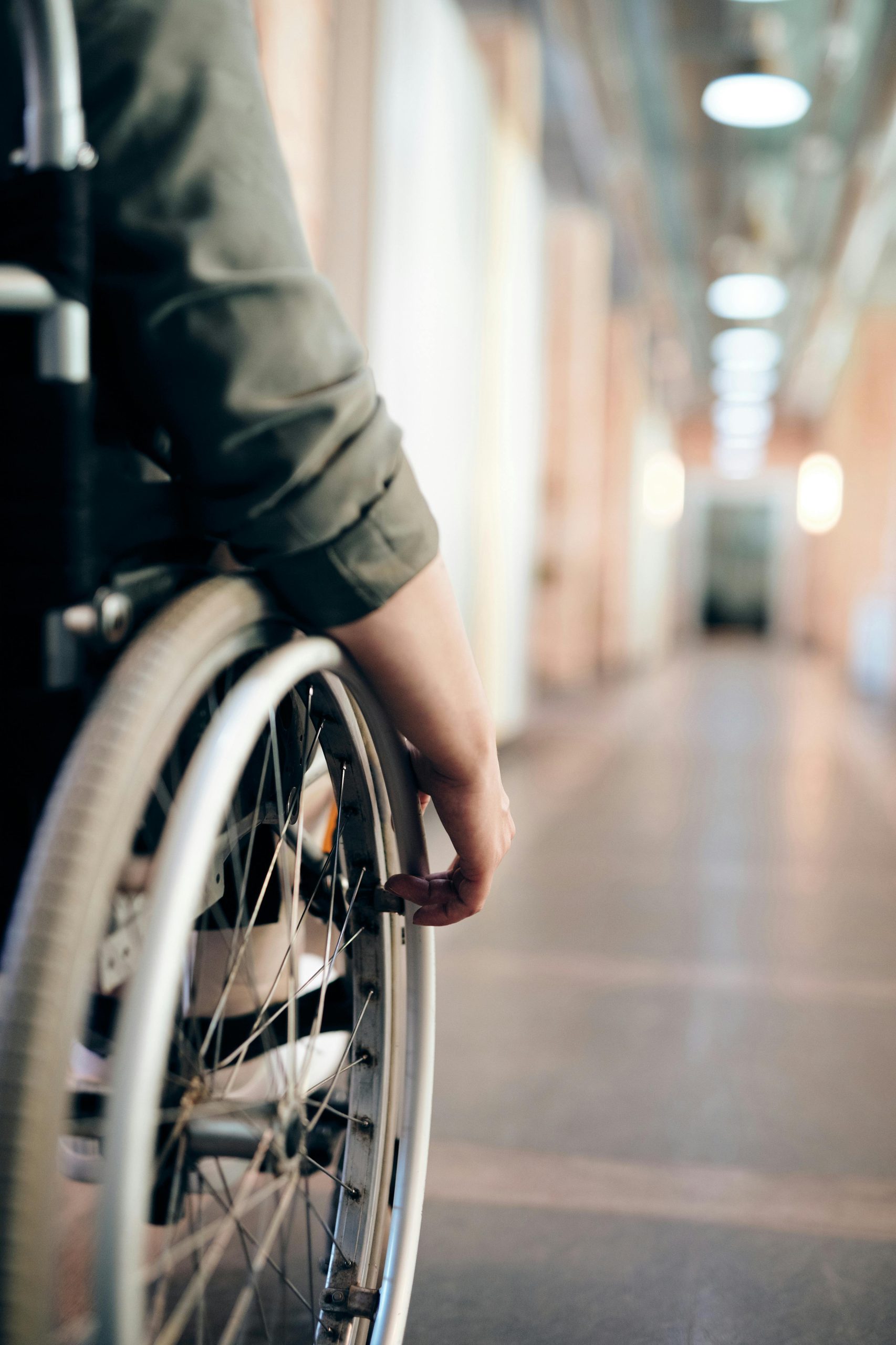
- Activity: Experience a Nearpod VR simulation related to disabilities (e.g., navigating a day in a wheelchair).
- Discuss reactions and feelings after the simulation.
- Interactive Quiz (5 minutes)
- Activity: Conduct a Nearpod quiz to review key concepts from the lesson.
- Questions cover types of disabilities, examples, and ways to promote inclusiveness.
Conclusion (10 minutes)
- Reflective Journal (5 minutes)
- Activity: Ask students to write a short reflective journal entry using Nearpod’s Open-Ended Question feature.
- Prompt: “What is one thing you learned today about disabilities, and how can you apply this knowledge in your daily life?”
- Class Discussion and Wrap-Up (5 minutes)
- Invite a few students to share their reflections.
- Summarize the key points discussed in the lesson.
- Emphasize the importance of empathy and inclusiveness.
Assessment:
- Participation in polls, discussions, and group activities.
- Responses in the Nearpod quiz.
- Reflective journal entries.
Homework (Optional):
- Assignment: Research and present (in the next class) a notable individual with a disability, discussing their achievements and the challenges they faced.
By using Nearpod, this lesson plan ensures an interactive and engaging approach to learning about disabilities, fostering a deeper understanding and empathy among students.
